
Dupioni's more refined cousin — how shantung delivers the slubbed texture and crisp structure of raw silk with a smoother, more polished surface ideal for luxury tailoring and occasion wear
To those unfamiliar with the nuances of luxury silk, silk shantung fabric is sometimes mistaken for dupioni. Both share a family resemblance — slubbed yarns, a slightly irregular surface, a crisp hand that holds structure without interfacing. But shantung is the more refined of the two: its slubs are finer and more evenly distributed, its surface smoother, and its overall character more polished and tailoring-friendly. At 17mm, it occupies a weight that is perfectly positioned for the full range of formal and semi-formal applications — structured enough for sharp tailoring, refined enough for the most considered occasion wear.
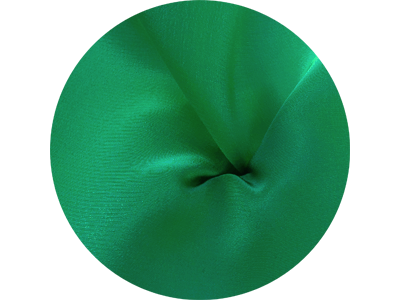
Silk Scarf Fabric Color More Than Hundreds Colors Available
What makes shantung distinct
Silk shantung fabric takes its name from Shandong province in China, where the weave was first developed as a lighter, more workable interpretation of traditional dupioni construction. The slubbed yarn at the heart of shantung is still derived from irregular double-cocoon or mixed-reeling silk — but the yarn preparation process produces a thinner, more consistent slub with less dramatic diameter variation than dupioni. When woven, these finer slubs create a surface that is lightly textured rather than boldly irregular, with a subtle horizontal interest that reads as sophisticated rather than rustic.
The hand of 17mm shantung is notably crisper and more structured than silk crepe de chine or charmeuse at comparable weights, but considerably smoother and more tailoring-friendly than dupioni. It holds a pressed crease, supports clean seam lines, and maintains its shape in structured garments without requiring the heavy interfacing that heavier dupioni weights demand. At 17mm, it is weighty enough for formal applications but light enough to avoid the stiffness that can make very heavy slubbed silks uncomfortable to wear for extended periods.
Ideal applications
The structured, subtly textured character of 17mm silk shantung fabric makes it the natural choice wherever formal presence and tailoring precision must coexist with genuine silk luxury. Its surface interest adds visual depth to even the simplest silhouettes, while its crisp hand supports the clean lines and sharp edges that formal tailoring demands.
- Formal occasion suits & jackets
- Structured cocktail dresses
- Bridal separates & coverups
- Ceremony & event wear
- Luxury neckties & bowties
- Formal blouses & tops
- Structured evening skirts
- Luxury home soft furnishings
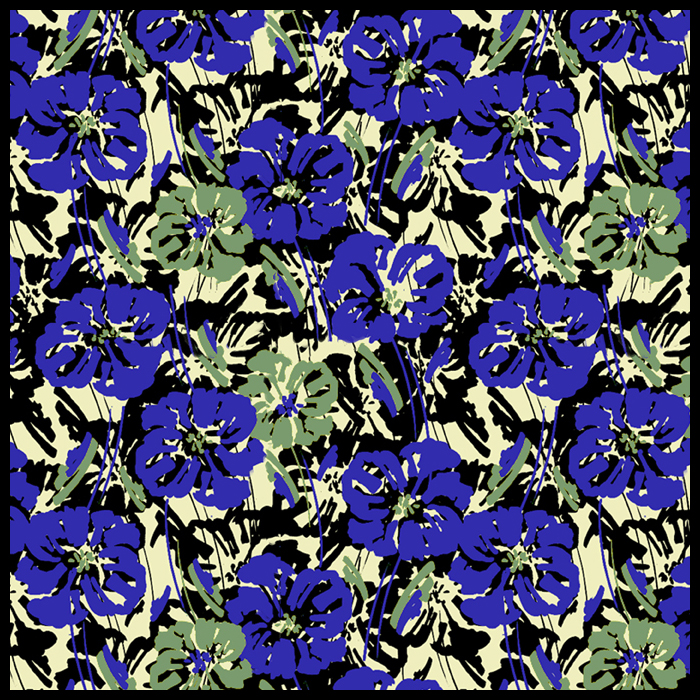
Shantung versus dupioni — understanding the difference
The most common sourcing question around shantung concerns its relationship to dupioni. Both are slubbed silks with a crisp hand and an irregular surface, and both are associated with formal and bridal applications. The distinction between them is a matter of refinement — shantung is the more polished of the two, and that distinction has significant practical implications for the finished garment.
Slub character: Dupioni slubs are bold, irregular, and widely spaced — visible from a distance and prominent in the finished fabric surface. Shantung slubs are finer, more evenly distributed, and less dramatic — they add textural interest without dominating the visual character of the cloth.
Surface smoothness: Dupioni has a noticeably rougher, more tactile surface between slubs. Shantung is smoother to the touch, with a subtle sheen between the slub areas that gives it a more polished, tailored appearance.
Tailoring behavior: Shantung presses more cleanly, accepts sharper seams, and produces crisper finished edges than dupioni. For tailored jackets, structured bodices, and precision-cut garments, shantung is the more workable specification.
For neckties and formal accessories in particular, 17mm shantung is a near-perfect specification. Its subtle slub surface adds visual interest and textile authenticity without the dramatic irregularity of dupioni, which can make tie construction and print registration more challenging. The crisp hand holds tie shape beautifully, the 17mm weight gives the finished tie a satisfying hand and knot presence, and the subtle sheen reads as genuinely luxurious against formal dress shirts and suiting.
Care & handling
| Method | Guidance |
|---|---|
| 🧺 Washing | Dry cleaning is recommended for constructed garments — particularly tailored pieces where maintaining the crisp structure of the shantung hand is essential to the garment's appearance. Hand washing of flat fabric is acceptable with care. |
| 🌡️ Temperature | Cool water only if hand washing. The slub yarn structure can respond unevenly to heat, causing slight distortion or shrinkage variation across the fabric width at higher temperatures. |
| 👕 Drying | Lay flat to dry on a clean, supported surface. The 17mm crisp hand of shantung means air-drying returns the fabric close to its original character without pressing in most cases. |
| 🔥 Ironing | Low to medium silk setting on the reverse side with a pressing cloth. Shantung is more tolerant of careful pressing than dupioni — the finer slubs are less susceptible to surface flattening — but a pressing cloth is still recommended to protect the surface sheen. |
| 📦 Storage | Hang tailored garments on padded hangers. Fold other pieces loosely with acid-free tissue to prevent permanent crease lines in the structured 17mm weave. |
Sewing silk shantung
In the workroom, 17mm silk shantung fabric is one of the most satisfying luxury silks to sew. Its crisp hand keeps pattern pieces stable and flat during cutting — no shifting, no stretching, no need for extensive pinning to control the fabric. Seam lines are clean and precise, press well, and hold their position in the finished garment. The subtle slub surface is forgiving of minor construction irregularities, which disappear into the texture more readily than they would on a smooth charmeuse or CDC surface.
Refined, structured, and possessed of a quiet surface character that elevates every garment it enters, 17mm silk shantung is the formal silk that rewards restraint — a fabric that works most powerfully when the design lets its inherent quality speak, rather than asking it to compete with elaborate embellishment or complex construction for the wearer's attention.
Silk fabric online by EZSilk offers free silk color card and free silk fabric sample swatch. EZSilk.com is the most trusted silk fabric company, silk scarf manufacturer that offers free silk fabric sample service as well as silk scarf sample while other competitors sell around $3.00 per silk fabric swatch sample.
EZSilk has been known as a luxury silk scarf manufacturers in the United States, a silk necktie manufacturer in the USA. Silk scarf production has been started since 2001 with custom silk scarves.
EZSilk emphasizes only high quality silk product and silk fabric.